• Skip to primary navigation
  • Skip to main content
  • Skip to primary sidebar

SMH ER

Keeping Up To Date

  • PEM Procedures
    • Intra-osseous Vascular Access
    • Pediatric Lumbar Puncture
  • BCCH Rounds
    • Antibiotic Stewardship
    • Oncologic Emergencies
    • Toxicologic Emergencies
  • SIM Sessions
    • AIRWAY
      • Choking on a Grape
      • A 6 year-old with Hemoptysis
      • A Child with Orthopnea
      • The Child Who Chewed on the Electric Cord
      • Airway Scald
      • Croup not improving…
      • Desaturation during Procedural Sedation
    • RESP
      • Apnea in Bronchiolitis
      • A Crashing Asthmatic
      • A Bronchiolitic Infant
      • A Toxic Child with a Seal Bark
      • Respiratory Distress in a Neurologically Compromised Child
      • An Infant with Blue Spells
      • Neonatal Pneumothorax
      • A Neonate with Cough and Pauses in Breathing
      • A Refractory Asthmatic
    • CARDIO
      • A Toxic Cyanotic Baby
      • A Pale Neonate with a Fast Heart Beat
      • A 2 month-old Crashing after Fluid Administration
      • A Neonate with a Slow Heart
      • A Seizing Infant with a Murmur
      • A Child with a Large Heart
    • SHOCK
      • Fever and Petechiae
      • Acutely Unwell after Eating Cake
      • A toxic ex-premie
      • A Neonate Crashing During Lumbar Puncture
      • Profound Neonatal Hypothermia
      • Invasive Group A Streptococcal Infection
      • Food Protein Induced Enterocolitis Syndrome (FPIES)
      • Fever, Rash and Seizures in a Neonate
      • A Serious Bacterial Infection in a 2 month-old
    • METABOLIC
      • A Dehydrated Child
      • A Shocky Infant not Improving with ABC’s
      • Hyperbilirubinemia Without Vascular Access
      • An Infant with Profound Hypoglycemia
      • A Lethargic Neonate with Ambiguous Genitalia
      • A Neonate with Hyponatremia
      • Hypertensive Crisis
      • Neonatal Hyperbilirubinemia
      • Hyponatremia and UTI
      • Saturday morning seizures in a toddler
    • TRAUMA
      • Abusive Trauma
      • A Fall out of the Window
      • A House Fire Victim
      • struck by a truck
    • TOX
      • Accidental Ingestion of Eucalyptus Oil
      • The Child Who Drank Drano
      • Polypharmacy Ingestion
      • A child with buzzing in the ears
      • This Pill Will Kill…
    • CNS
      • Febrile Status Epilepticus
      • Child with Facial Birthmark Seizing
      • A Child with Acute Ataxia
      • What’s DRAVET syndrome?
    • PALS
      • Pediatric ROSC
      • A Sudden Collapse
      • An Unexplained Infant Death
      • Cardiac Arrest in a Cardiac Child
        • Arrest and Hypothermia
      • Managing the Birth of a Flat Baby in the ER
    • ENVIRONMENTAL
      • A Thermal Injury
      • A Cold Child
      • A Child with Heat Stress
    • HEM
      • Respiratory Distress in Sickle Cell Disease
    • SURG
      • A Baby with Distended Abdomen
  • PEM Research/QI
  • PEM Articles
  • PEM Protocols
    • Amoxicillin De-Labelling
    • Cellulitis
    • Community-Acquired Pneumonia
    • Hypoglycemia – neonatal
    • Neonatal Fever
    • PO Sedation
    • Prescriptions
    • Rapid Sequence Intubation
    • Urine Sampling Protocol
  • PEM Cases
  • PEM Courses

Jo Miriam

Needle Decompression

April 15, 2026 by Jo Miriam

Case: A helmeted 13-yo-boy carrying a friend on his e-scooter ran into a pole and was pinned against the handle. He was brought in by his parents for chest pain from periphery to SMH. His CXR shows rib fractures and a tension hemopneumothorax. He is hypoxic and requires a decompression. What is the ideal location for needle decompression according to 2025 ATLS?
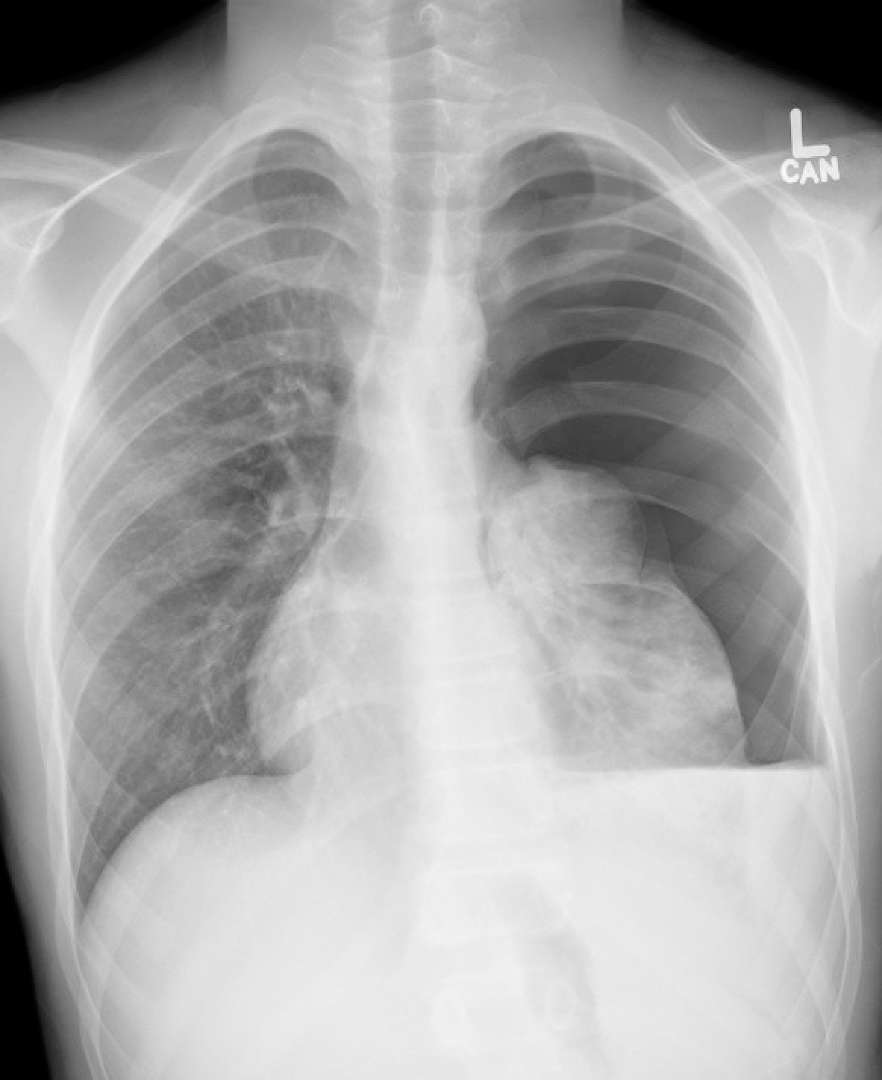
Discussion: 2025 ATLS recommends 2nd ICS at midclavicular line in peds and 4th/5th ICS anterior to midaxillary line in adults. Transition from peds to adult for placement site is considered based on chest wall thickness and patient size (around age 13). See latest EB article for a deeper dive.
Thoracostomy-Thoracotomy-PediatricDownload

Filed Under: PEM-Cases

Ear Rash

April 15, 2026 by Jo Miriam

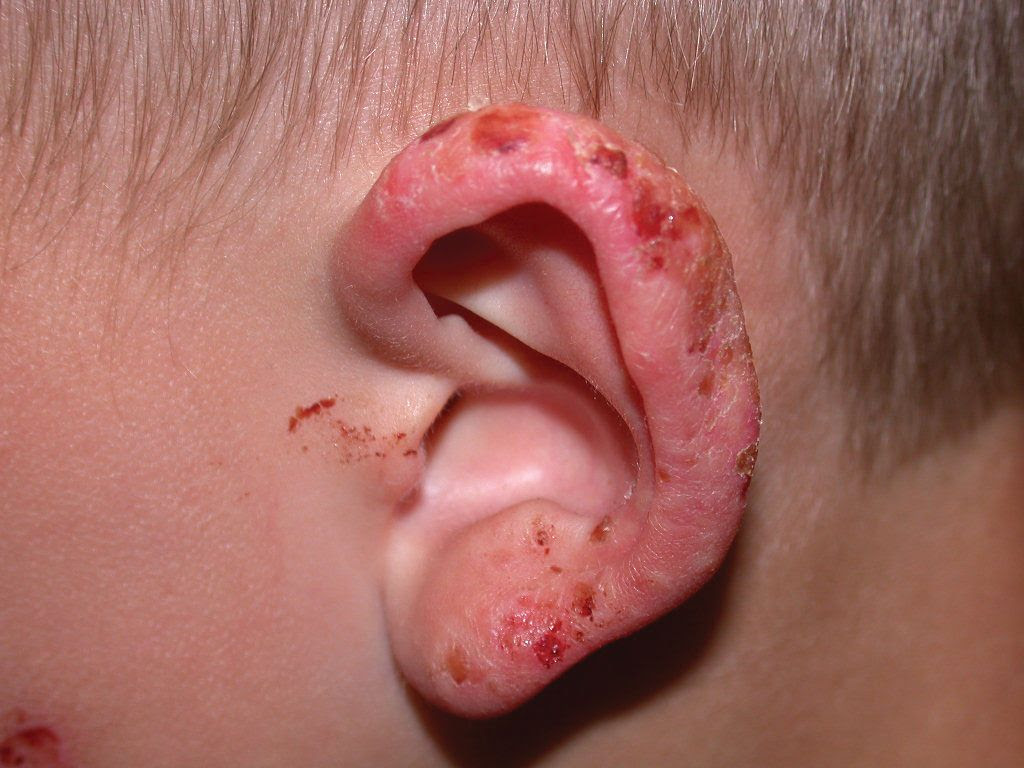
Case: A 5 year-old boy presents with scaly plaques affecting both ears. They are itchy with crusty vesicular lesions. He is not responding to mupirocin. This happened last spring as well. 

Discussion: These lesions are Juvenile Spring Eruptions (JSE). They are caused by an immune response to UV radiation often in the spring, after the first significant sun exposure, more commonly in boys and young men who are more likely to have their ears exposed to sunlight. They can be treated with mineral-based SPF 30 sunscreens and nonsteroid anti-inflammatories i.e. protopic 0.1% oint BID until improved.  

Filed Under: PEM-Cases

PEM Articles of the Month- March 2026

March 9, 2026 by Jo Miriam

1) Does a well-appearing 10-day-old with a rectal temp of 38.4 °C in the ED always require an LP?

Discussion : The answer depends on whether you have access to procalcitonin! We currently perform LP, start ABx, and admit all febrile neonates. The first two articles inform us in a well-appearing febrile neonate with PCT ≤ 0.5 ng/mL, ANC ≤ 4000/μL and negative UA, LP and Abx could be deferred. Close observation while waiting for urine/blood C/S is required. In a series of 1537 patients, no neonates meeting low-risk criteria had meningitis. This is why access to PCT is something we should strive for in our PEDS ED.

Just the Facts Management of Febrile Infants 60 Days old and YoungerDownload
Prediction_of_Bacteremia_and_Bacterial_Meningitis_Among_Febrile_InfantsDownload

2) Do you need to perform LP in febrile infants 29-60 days of age who have a positive UA?

Discussion : For decades, we subjected these infants to LP, ABx, and hospitalization based on the assumption that a positive UA results in increased risk of meningitis. The third article is a large meta-analysis suggesting rate of concomitant meningitis in this population is low and LP should not be undertaken on the basis of a positive UA alone.

bacteria meningitis in 29-60 daysDownload

Filed Under: Article of the month

PEM Article of the Month- February 2026

February 5, 2026 by Jo Miriam

Emergency Department Management of Dehydration in Pediatric Patients

Dehydration in Pediatric PopulationDownload

Key Points:

  1. Zinc supplementation may lead to shorter duration and reduced severity of diarrheal illness. 
  2. ETCO2 can be used as a non-invasive adjunct for detection of metabolic acidosis in children with dehydration. 
  3. Balanced isotonic solutions such as Plasmalyte are preferred to avoid hyperchloremic metabolic acidosis. Its use in our department is limited due to IV compatibility concerns. 
  4. Dextrose should only be used after rehydration to assist with resolving ketosis. 

Filed Under: Article of the month

PEM Article of the Month- January 2026

January 8, 2026 by Jo Miriam

Influenza-Associated Acute Necrotizing Encephalopathy in US Children

Influenza associated acute necrotizing encephalopathy in US children (1)Download

Takeaway messages:

  • Influenza can cause acute necrotizing encephalitis (ANE).
  • This condition has high morbidity and mortality. 
  • Median age is 5 years and it is more common among those not flu-immunized.
  • ANE should be suspected in a child with ILI Sx’s presenting with altered LOC or seizures

Filed Under: Article of the month

PEM-Article of the Month-December 2025

December 3, 2025 by Jo Miriam

Pediatric Wound Care

Pediatric-Wound-CareDownload

Key Points of the article is as follows:

Absorbable sutures produce same cosmetic result without the stress of a second visit. Tissue adhesives can be used in most facial lacerations. Consider oral sedation if you are repairing lacs in the neurodiverse child.

Filed Under: Article of the month

  • Page 1
  • Page 2
  • Go to Next Page »

Primary Sidebar

Recent Posts

  • Needle Decompression

    April 15, 2026
  • Ear Rash

    April 15, 2026
  • PEM Articles of the Month- March 2026

    March 9, 2026
  • PEM Article of the Month- February 2026

    February 5, 2026
  • PEM Article of the Month- January 2026

    January 8, 2026
  • PEM-Article of the Month- November 2025

    November 6, 2025
Admin Panel